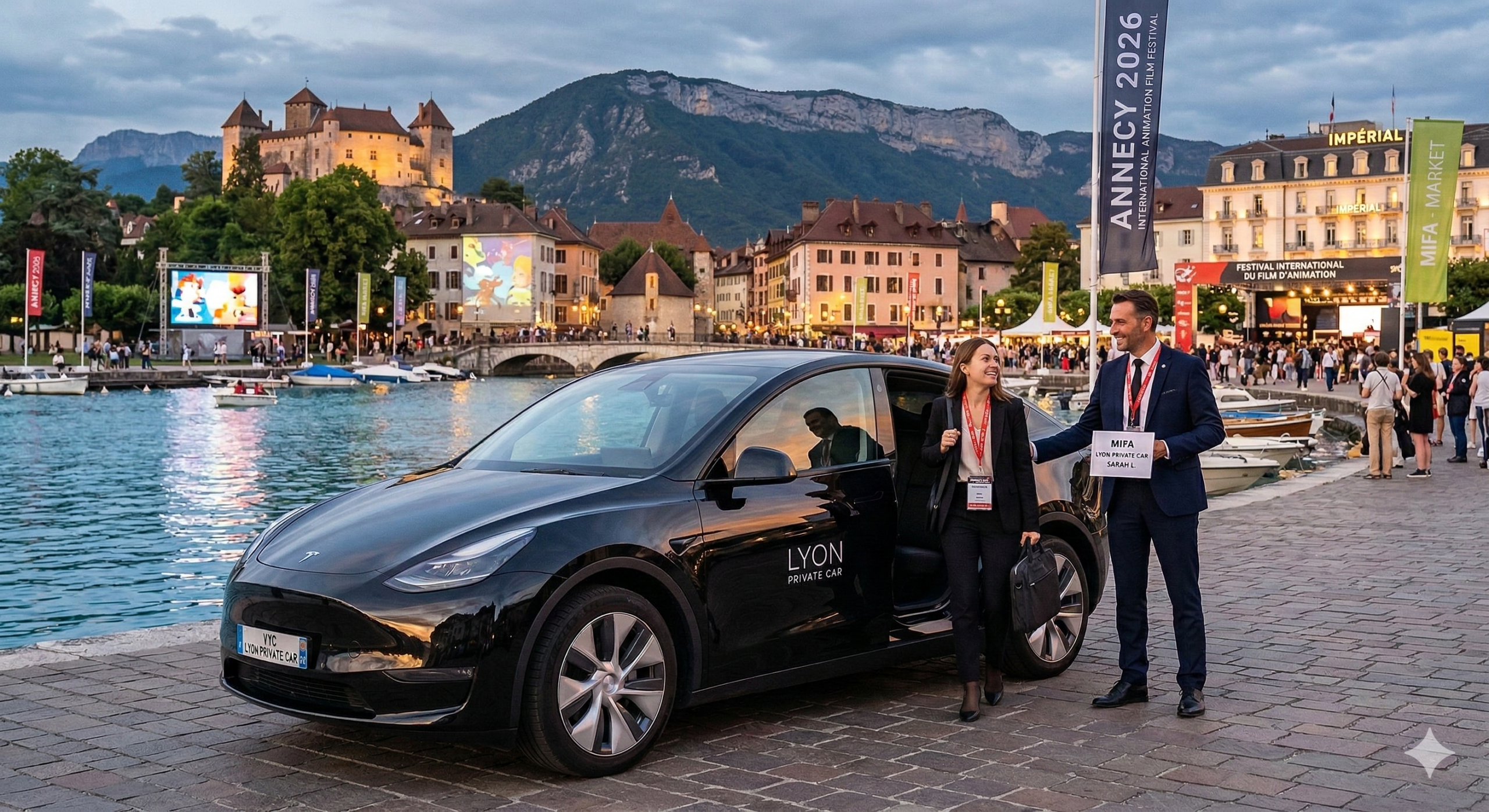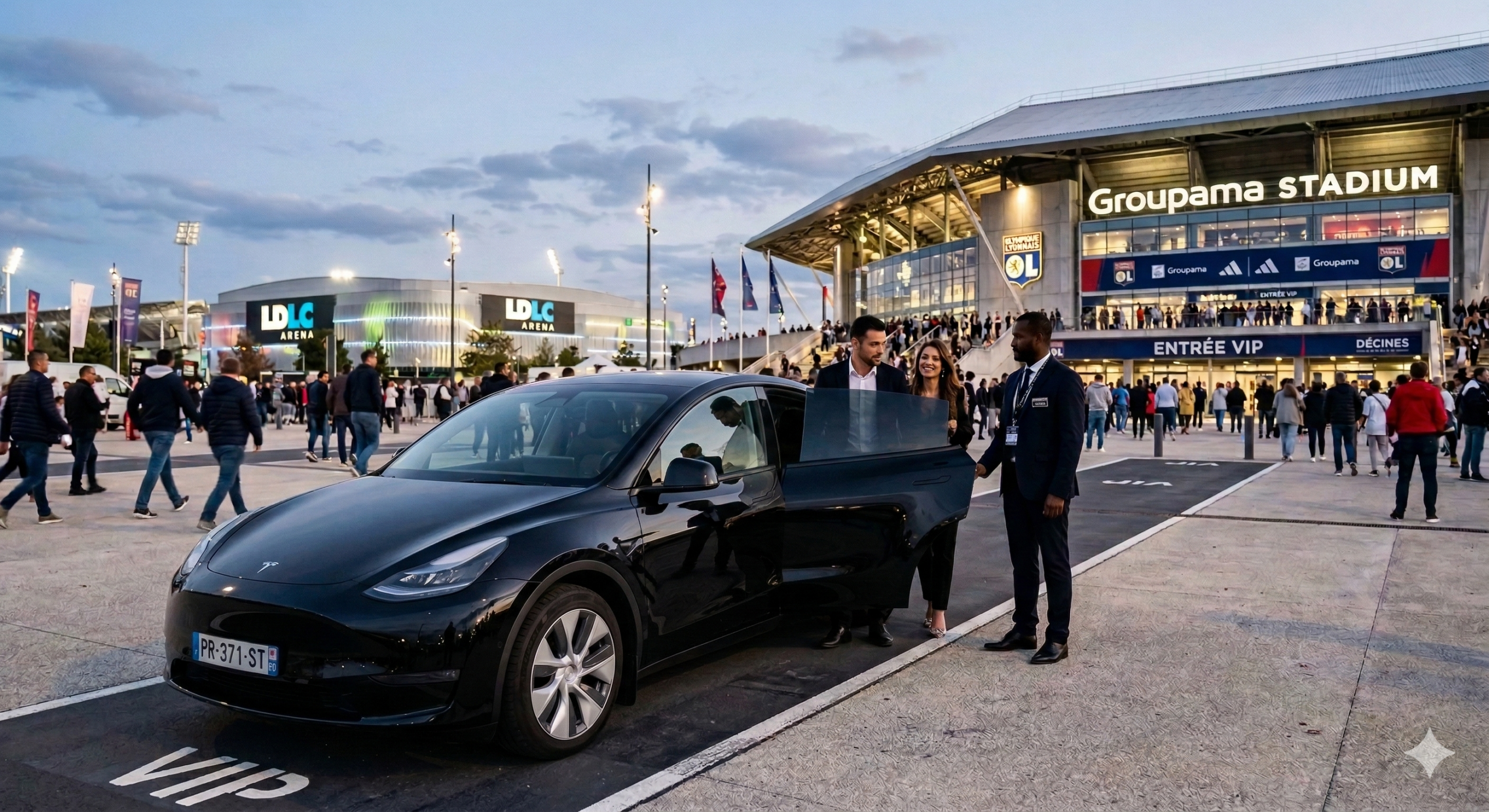
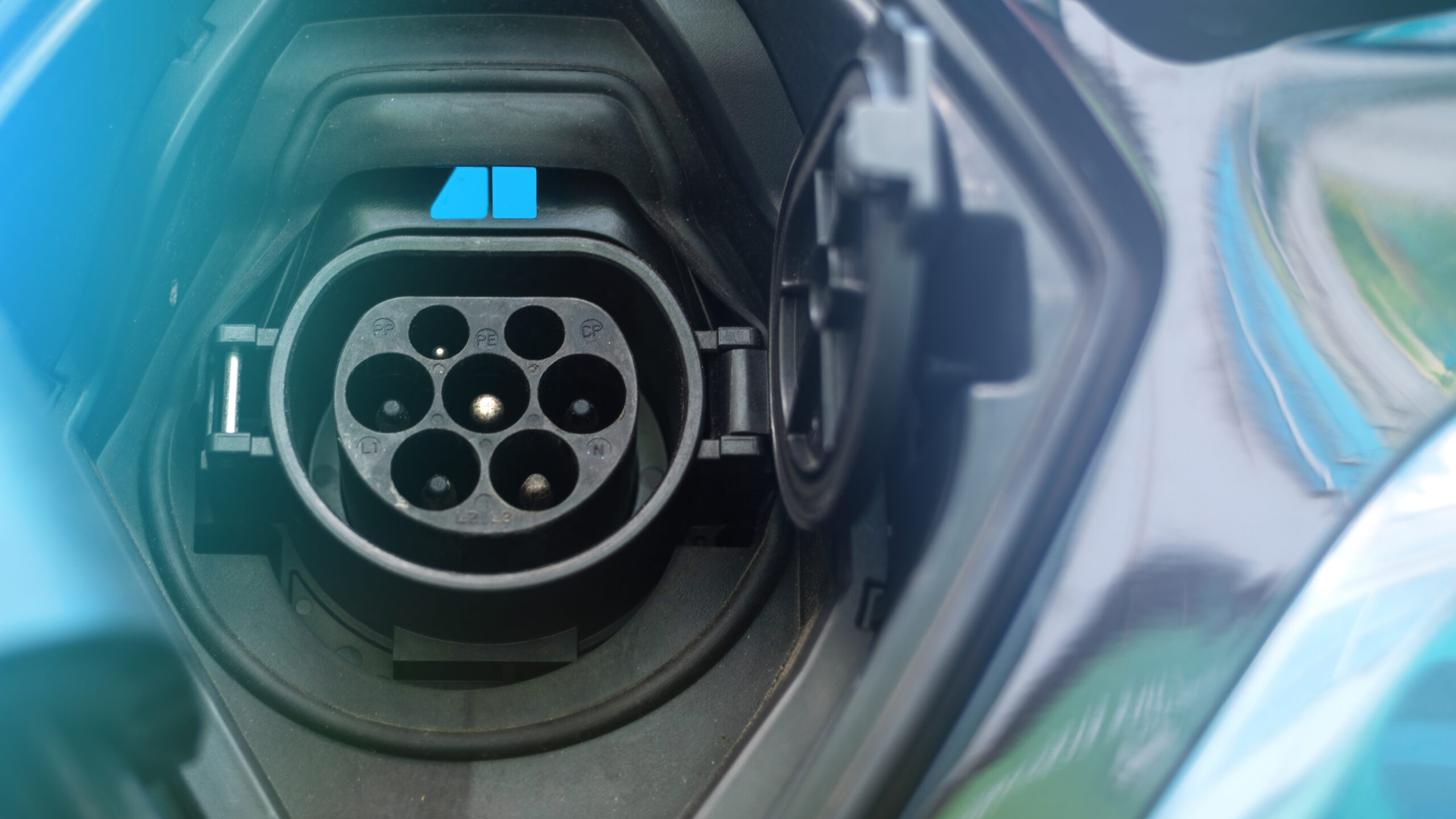
The job of VTC driver The ride-hailing industry has evolved significantly in recent years. Customer habits have changed, cities are transforming, regulations are becoming stricter regarding emissions, and operating costs are rising for private drivers. In this context, electric vehicles are emerging as an increasingly popular solution for ride-hailing drivers, whether for urban journeys, business trips, long-distance transfers, or trips to ski resorts.
Choosing between an electric car, a combustion engine car or a hybrid car is not simply a financial decision: it is a decision that impacts the driver's experience, their image with customers, their profitability, their fatigue, and the overall quality of the service.
In this comprehensive article, we will examine in depth what it means to be a rideshare driver with an electric vehicle, the concrete advantages, the limitations to be aware of, the best uses depending on the journeys, and a detailed comparison between electric, thermal and hybrid.
The goal: to provide a clear, honest and realistic view of the daily life of a modern rideshare driver.
1. The job of a ride-hailing driver today: requirements, expectations and realities on the ground
Being a private driver or ride-hailing driver today requires much more than simply driving a vehicle.
The job requires:
an impeccable presentation
smooth and safe driving,
an excellent knowledge of the city (Lyon, Paris, Marseille, Annecy, Geneva…),
an impeccable sense of service,
an ability to manage long and sometimes stressful days,
a comfortable, clean and recent car
a reassuring, professional image,
punctuality,
and very wide availability.
Customers, whether individuals, tourists, business leaders, families, or professionals on the go, have become more demanding. They want a reliable, comfortable, quiet service and a pleasant journey experience.
In this context, the electric car has become a natural choice for many private drivers wishing to differentiate themselves and improve onboard comfort.
2. Why are more and more ride-hailing drivers adopting electric cars?
The trend is clear: every year, many drivers switch to electric vehicles. This choice is based on several concrete reasons.
2.1. Very significant operating cost savings
A rideshare driver drives a lot.
40,000 to 80,000 km per year, sometimes more.
With an electric vehicle:
Charging costs between €2 and €12 depending on the charging station.
There is no oil change.
no timing belt,
no clutch,
no gearbox,
few wear parts.
As a result, maintenance costs are very low compared to thermal systems.
2.2. Unparalleled comfort for customers
An electric car is:
silent
gentle,
without vibration,
pleasant at low speeds.
very comfortable for passengers.
For a private driver, this comfort is a strong selling point: clients immediately notice the difference.
2.3. Less fatigue for the driver
The auditory comfort, the absence of vibrations and the smooth driving experience significantly reduce fatigue, especially after a 10-hour day of driving in the city or on intercity roads.
2.4. A modern and eco-friendly image
For a private driver, offering an electric vehicle allows them to project a modern, responsible and high-end image.
Businesses, foreign tourists and premium clients particularly appreciate this approach.
3. The limitations of electric cars for ride-hailing drivers
It would be dishonest to only present the advantages. Electric cars also have drawbacks that can impact daily life.
3.1. Actual autonomy
The range advertised by manufacturers does not always reflect the actual range.
In private hire vehicle use:
air conditioning,
heating,
urban driving
traffic jams,
speed on the highway…
…everything influences autonomy.
Some models offer 300–350 real-world km, others go up to 450–500 km, and premium models sometimes exceed 550 km.
For a driver making intercity journeys or long-term assignments, a high level of autonomy is essential.
3.2. Charging time
At a fast charging station:
20 to 30 minutes to go from 10 % to 80 %.
But this implies:
find an available charging station,
Sometimes waiting,
change your route,
reorganize your day.
3.3. Availability of terminals
In Lyon, Paris, Geneva, Annecy, Grenoble → OK
In some ski resorts → limited
In rural areas → very limited
For a driver doing a lot of airport transfers or ski resort transfers, planning and anticipation are necessary.
4. Complete comparison: electric vs. combustion engine vs. hybrid car for ride-hailing drivers
Here is a very detailed comparison, based on the real needs of a private driver.
4.1. Annual operating cost
Electric:
✔ Very economical refill
✔ Minimal maintenance
✔ Low annual cost
❗ Expensive battery to replace (rare)
Thermal:
✔ Easy to refuel
✔ Unlimited battery life
❗ Very expensive fuel
❗ High maintenance
❗ Low-emission zones are becoming increasingly restrictive
Hybrid:
✔ City economy
✔ Smooth driving
❗ Not a true electric vehicle
❗ More complex maintenance (dual technology)
4.2. Onboard comfort
Electric:
✔ Absolute silence
✔ Zero vibration
✔ Smooth acceleration
✔ Highly rated by customers
Thermal:
✔ Noticeable engine noise
✔ Vibrations
❗ Inferior comfort
Hybrid:
✔ Good compromise
❗ Thermal/electrical transition sometimes perceptible
4.3. Professional Image
Electric:
✔ Modern image
✔ Corporate clientele
✔ Ideal for premium chauffeurs
Thermal:
✔ Classic image
❗ Less prestigious today
Hybrid:
✔ Good compromise
✔ Non-polluting in the city
4.4. Long journeys and ski resorts
Electric:
✔ Very good road handling on premium models
❗ Reduced battery life in winter
❗ Difficult to recharge in the mountains
Thermal:
✔ Ideal for long distances
✔ Stable handling in the mountains
✔ No battery life issues
Hybrid:
✔ Good behavior
❗ Very limited electric range in real-world conditions
❗ Average yield in the mountains
4.5. Overall Profitability
For a ride-hailing driver who drives a lot:
Electric vehicles are often the most cost-effective option if home charging is possible.
Thermal is the simplest, but the most expensive in the long run.
The hybrid is a compromise, but not optimal on the motorway.
5. Best practices according to the type of journey
5.1. City driver (Lyon, Paris, Marseille)
Electric is by far the best solution:
easier downtime,
numerous terminals,
silent driving
traffic in restricted areas.
5.2. Intercity Driver
For journeys such as:
Lyon → Geneva
Lyon → Annecy
Lyon → Grenoble
Paris → Roissy
Bordeaux → Arcachon
Electric is possible if the range exceeds 450 km.
5.3. Driver to ski resorts
Thermal systems still dominate because:
Cold weather = reduced autonomy,
few terminals,
long, demanding journeys.
But some premium electric models are doing very well.
6. Recommended electric models for private drivers
Here are the vehicles best suited to the profession:
Tesla Model Y
✔ High battery life
✔ Very good comfort
✔ Fast charging
✔ Optimal interior space
Tesla Model 3
✔ Exceptional profitability
✔ Silent
✔ Highly sought after in the ride-hailing sector
Mercedes EQE / EQS
✔ Total luxury
✔ Ideal for the premium chauffeur
Kia EV6 / Hyundai Ioniq 5
✔ Very good battery life
✔ Very quick to recharge
BMW iX3
✔ Good premium compromise
7. Hybrid models adapted for ride-hailing services
Toyota Camry Hybrid
✔ Outstanding reliability
✔ Comfort
✔ Excellent fuel consumption
Toyota Prius+
✔ Large trunk
✔ Very popular in ride-hailing services
8. Thermal models still used in hybrid bikes
Mercedes E-Class / C-Class Diesel
✔ Comfort
✔ Professional image
✔ Excellent battery life
Skoda Superb Diesel
✔ Very spacious
✔ Highly appreciated by drivers
9. What type of vehicle should you choose depending on your activity?
Do you spend a lot of time in the city?
→ Electric, without hesitation.
Do you do long-distance transfers?
→ Premium electric or hybrid.
Do you mainly visit ski resorts?
→ Thermal (or very high-end electric + good planning).
Do you want to reduce your operating costs?
→ Electric.
Do you want a compromise without constraints?
→ Hybrid.
10. Conclusion: Is the electric car ideal for a ride-hailing driver?
The electric car offers unparalleled comfort, a pleasant driving experience, a modern image, minimal maintenance and significant savings.
For a private driver in the city or suburbs, this is the best choice today.
Thermal power retains the advantage for:
mountain routes,
the long daily commutes,
boundless environments.
Hybrid vehicles remain an attractive option for those who want to avoid the hassles of charging while reducing fuel consumption.
In all cases, the choice of vehicle must be made according to:
your type of journeys,
your budget,
your access to a charging station,
your professional image,
the volume of kilometers travelled each year.